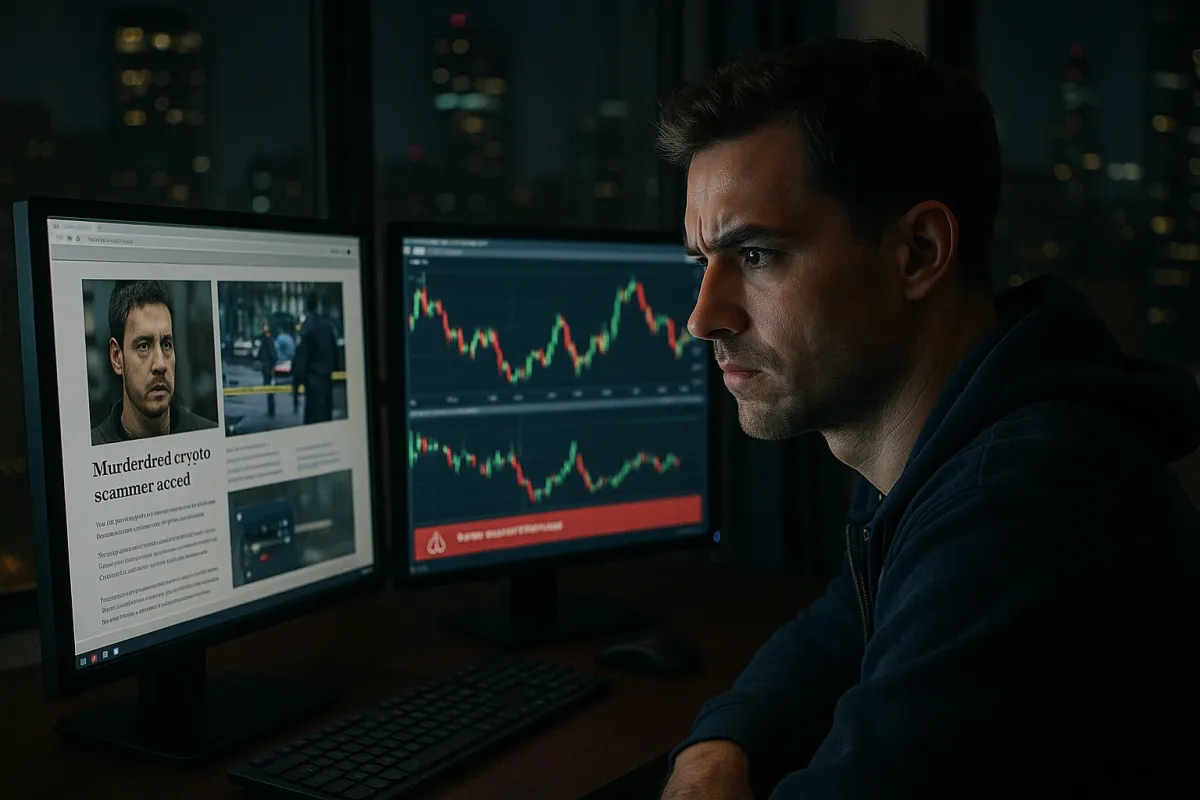
If you think today’s markets are wild, wait till you read the headlines. The chilling story of alleged crypto scammer Roman Novak and his wife Anna—kidnapped, held for ransom, then found dismembered in a Dubai desert resort—sounds like a Netflix script, but it’s very real, very now, and very linked to the darker corners of high‑risk trading and “get rich yesterday” culture. While true crime addicted the internet to the gruesome details, savvy traders saw something else: a brutal reminder of how fast greed, leverage, and shady money flows can spiral out of control.
We’re not here to sensationalize the tragedy—justice for the victims and survivors comes first. But if you trade forex, crypto, or anything in between, this story is a loud siren. When scams, off‑book “funds,” and unregulated brokers are thriving, risk isn’t just on your chart—it’s in your counterparties, your platforms, and sometimes your own psychology. Let’s turn this viral horror headline into a wake‑up call for your trading strategy, so your biggest problem stays on-screen as a red candle, not in real life.
Turn “Too Good to Be True” Into an Automatic Red Flag
Roman Novak was reportedly running shady crypto operations long before his murder hit the news cycle. The pattern is painfully familiar: flashy lifestyle, private deals, whispered “guaranteed” returns, and fast money promises that never survive a calculator or a calendar. That exact energy is all over forex and CFD ads right now, especially in TikTok, Telegram, and Instagram “signal” groups.
As a strategy, build a hard rule: if a deal, “investment pool,” PAMM, or signal service promises guaranteed returns, no risk, or unrealistic monthly percentages, you don’t investigate it—you walk away. Create a simple checklist you literally keep next to your trading desk: regulated broker? transparent track record? third‑party verification (like MyFXBook or FX Blue) for at least a year? If any answer is “no,” your strategy is to pass. That discipline saves more accounts than any magical indicator ever will.
Trade Like Law Enforcement Is Watching Your Ledger (Because They Might Be)
The Novak case involves alleged ransom demands, possible money laundering, and crypto transfers that investigators are now likely tracing. Here’s the thing: those same blockchain analytics tools are already widely used by regulators, exchanges, and even banks. On the forex side, AML (anti–money laundering) rules are tightening, KYC verification is getting harsher, and random account freezes are becoming a fact of life for traders who move suspiciously.
Make “clean money flow” a core trading strategy. That means funding accounts only from verifiable, legal sources. No mixing personal business receipts with trading, no secret “under the table” transfers, no playing around with random offshore “payment processors” that nobody has heard of. Keep a simple spreadsheet or journaling app that matches deposits, withdrawals, and trades so your flow is crystal clear. That way, if a regulator, bank, or broker ever audits you, your text messages don’t become Exhibit A on a courtroom screen.
Ditch the “Mystery Guru” and Build Signal Independence
So many scam stories—including the circles surrounding figures like Novak—start with a single hook: “Trust me, I know a guy.” In 2025, that guy is often a faceless “pro trader” on Telegram who never shows audited results but somehow drives a Lambo and only messages you voice notes. If you need someone else’s signals to click buy or sell, you’re not trading—you’re outsourcing your risk and hoping for the best.
Flip the script: turn this crime story into your last straw for blind following. Make independence your edge. Use signal channels (if you must) only for idea generation, never for auto‑copying. Before you enter a trade, force yourself to write your own thesis: what’s the trend? what’s the higher‑timeframe context? where’s your invalidation? where’s your risk per trade? Once you can explain a setup to a beginner in one clean paragraph, you’ve just taken your power back—and your odds of getting dragged into a scam drop massively.
Build a “Paranoid Mode” for Risk: Capital, Leverage, and Location
Novak’s world—crypto, offshore hubs, desert resorts, shadowy “investors”—is exactly the zone where risk explodes beyond your chart. You might not live in Dubai or run a fund, but you are part of a global money network every time you click “open position.” Now more than ever, you need a paranoid mode risk framework that goes beyond stop losses.
Start by capping total exposure to any one broker or platform. If your entire trading capital is sitting on a single unregulated offshore exchange, you’re one “maintenance update” away from disaster. Split your funds between at least two regulated entities, and always keep a chunk of trading capital offline and untouched. Second, treat leverage like nitroglycerin: fine on a controlled news trade, deadly as a default setting. Cap your regular trades to modest leverage (1:5, 1:10), and reserve higher leverage for intentional, small, short‑term setups with a hard stop. High‑leverage YOLO memes make great content—but in real life, they are the early chapters in a lot of financial horror stories.
Make “Exit Strategy” a Life Skill, Not Just a Chart Setting
The scariest part of the Novak saga isn’t just the violence—it’s how long people stayed involved with him despite obvious red flags. That same attachment shows up in trading: people stay with toxic brokers, shady prop firms, or abusive “mentors” because they’ve already sunk time, money, or pride. Traders cling to broken systems for months, hoping a miracle trade fixes everything.
Design your exit strategy in advance, for everything connected to your trading:
- If a broker delays withdrawals more than X days, you pull everything.
- If your mentor, group, or community gets investigated or flagged, you leave, no debate.
- If your strategy hits a max drawdown of Y%, you go flat and review—no “just one more try.”
Write these rules down now, while your emotions are calm, and pin them on your wall or desktop. In a world where real‑life crime headlines are crossing over into trading circles, the ability to walk away quickly is just as powerful as the ability to hold a winning trend.
Conclusion
The horrifying case of Roman Novak and his wife is a brutal reminder that when money, secrecy, and desperation mix, the fallout can go far beyond margin calls. But you don’t have to live in that universe. You can trade in 2025 with edgy strategies and clean risk: skeptical of hype, independent in your decisions, transparent in your money flows, and ruthless about exits.
Let the crime stories stay on your news feed—not in your trading history. Screenshot the points that hit you hardest, share them with your trading group, and make a quiet promise to yourself: the only drama you’ll chase is on the chart, not in the courtroom.
Key Takeaway
The most important thing to remember from this article is that this information can change how you think about Trading Strategies.