If you’re already stress‑scrolling travel apps and FX charts at the same time, you’re not alone. Holiday traffic is insane, airports are chaos, and meanwhile markets are moving like they’ve had three double espressos and zero sleep. While everyone else is shopping for “25 Travel Gadgets For Holiday Chaos,” smart traders are quietly doing the same thing—but for their trading tech stack.
Because right now, your tools are your edge.
From AI overlays to travel‑proof setups you can literally trade from a boarding gate, the trading tools scene is exploding. Here’s how to future‑proof your forex game while the rest of the world fights over outlet adapters and suitcase space.
Travel-Proof Trading Setups: Because the Market Doesn’t Care You’re in Airport Security
Holiday travel is basically a live stress test for your trading discipline—and your tools. That viral “25 Travel Gadgets For Anyone Preparing For Holiday Chaos” list? Think of this as the trader’s edition. Portable second screens are becoming standard for serious FX traders who refuse to be stuck on a single tiny laptop chart while EUR/USD is breaking out. Light, USB‑powered monitors mean you can keep higher timeframes on one screen and execution on the other, even from a plastic airport chair.
But the real magic is in your software stack. Cloud‑based trading platforms and VPS (Virtual Private Server) hosting mean your trades don’t die when airport Wi‑Fi does. Many pros now run their MT4/MT5 or cTrader on a VPS close to their broker’s servers, then log in from anywhere—phone, tablet, or that beat‑up travel laptop. Add in hotkey‑driven order entry tools and mobile risk calculators, and you can scalp during a layover without fat‑fingering your position size. If your current setup collapses the second you leave your desk, it’s 2025—time to upgrade.
AI Signal Overlays: Your New Trading Copilot (Not a Crystal Ball)
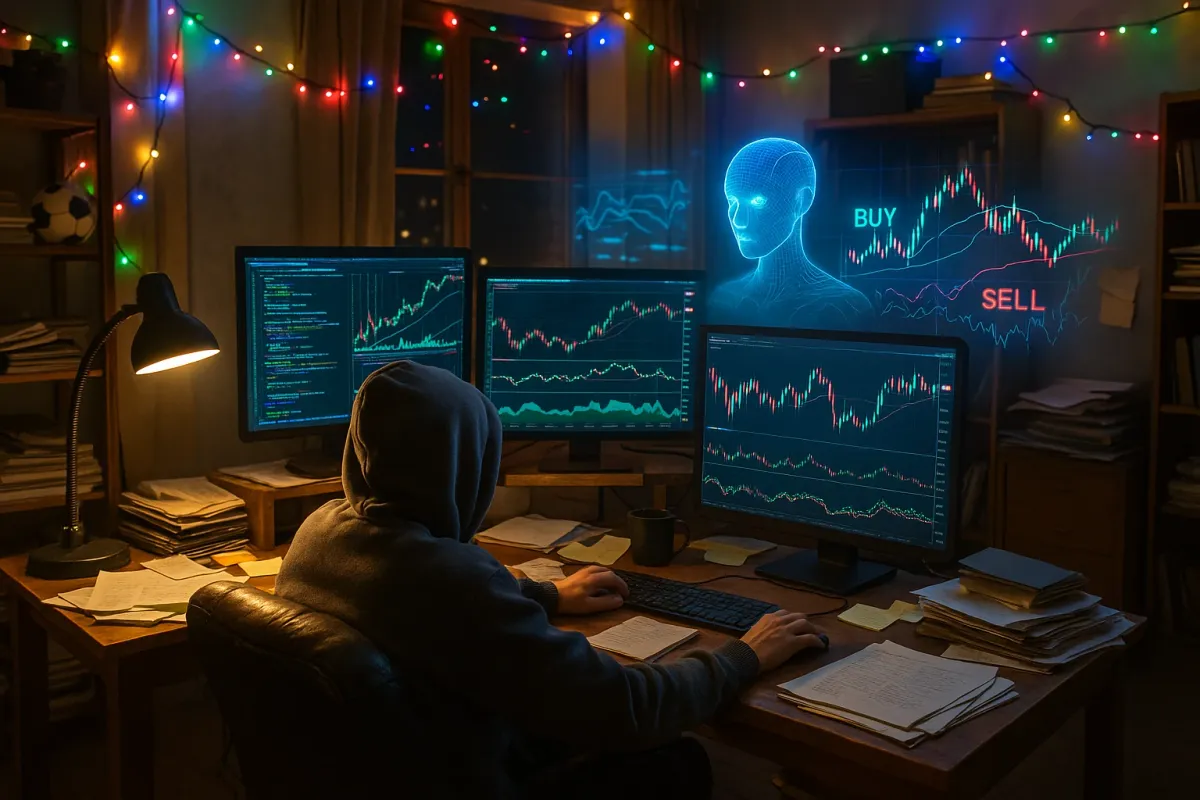
AI is having a moment everywhere—from viral “AI‑designed buildings” to automated moderation—and trading tools are no exception. While everyone argues about whether AI will replace traders, the smartest players are already using AI as a copilot, not a guru. Think: AI overlays that auto‑mark liquidity zones, trend strength, and volatility pockets directly on your charts, so you stop guessing and start reacting faster.
New plugins are crunching order flow, news sentiment, and price action in real time, then surfacing “watch this pair now” alerts instead of spamming random signals. Some platforms now let you chat with your trading journal or your own trade history—literally asking, “What patterns do I usually lose money on in GBP/JPY?” and getting a data‑backed answer. Is it perfect? No. Is it an insane edge versus eyeballing everything yourself? Absolutely. Just remember: AI is there to filter noise and highlight setups—not to push you into every blinking green arrow.
Emotion-Tracking Dashboards: Because Your Biggest Drawdown Is Probably in Your Head
The internet is full of wild relationship drama—cheating coworkers, jealous step‑parents, you name it. But if we’re being honest? Traders are in the most toxic relationship of all: the one with their emotions under leverage. That’s why the fastest‑rising trading tools right now aren’t just chart indicators—they’re behavior trackers.
Modern journaling platforms are integrating with your broker and tagging trades by emotion: revenge trade, FOMO entry, fear‑based early exit. Some even let you rate your mental state before and after the session, then build dashboards that expose your patterns. Think: “You overtrade on Mondays after losing Fridays” or “You break your risk rules tracking NFP moves live.” This is brutal, but game‑changing.
Pair that with biometric data—yes, there are traders syncing wearables like smartwatches with their trading routines to see when heart rate spikes—and you’re basically running high‑performance sports analytics on your own psychology. If you’re still journaling in a random spreadsheet you open twice a month, you’re leaving serious edge on the table.
Social Copy Trading 2.0: From Blind Following to Verified Edge
The internet loves drama—polls on “Would you stay calm or lose it?”, relationship plot twists, and hot takes on influencer ads. In trading, that same social energy is shaping the new wave of social and copy‑trading tools—but with way more transparency than the wild west days.
Today’s top platforms are shifting from “follow this random trader with cool screenshots” to data‑rich dashboards with verified track records, risk‑adjusted returns, maximum drawdown stats, and even live trade‑by‑trade breakdowns. You can filter for traders who match your risk profile—like low drawdown swing traders on major FX pairs—then auto‑copy them but cap your per‑trade risk or max exposure by pair.
Some even let you dissect their strategies: entry patterns, average holding time, news vs. technical, and performance during high‑volatility events like Fed meetings or surprise central bank interventions. It’s less fanboy, more fund‑style due diligence. Instead of worshipping PnL screenshots on social media, you can plug into systems that prove their edge over thousands of trades—and adapt their logic into your own playbook.
Risk Tools That Assume You’ll Mess Up (Because You Will)
Every family drama headline has the same theme: someone misjudged a situation and it blew up. Trading is no different—except your bad judgment is coded in dollars. That’s why the trendiest risk tools now assume you’re going to slip, chase, over‑size, and touch the chart when you promised yourself you wouldn’t… and they’re built to protect you from yourself.
Dynamic position sizing tools sync live with volatility and your account balance so you literally can’t enter more than your pre‑defined risk percentage per trade. Some platforms now allow “hard guardrails” that auto‑lock you out for the day after hitting a daily loss limit—no overrides, no “just one more trade.” There are also news‑aware tools that block market orders in the seconds around key releases if that doesn’t fit your plan, preventing you from FOMO‑smashing buy at the worst possible moment.
Layer on trade management bots that auto‑trail stops, partial‑take profit, and move to breakeven based on price structure—not your feelings—and suddenly your trading looks suspiciously like a rules‑driven system instead of a vibes‑based adventure. In 2025, “I broke my rules” is less an excuse and more a sign your tool stack isn’t doing its job.
Conclusion
While the world is panic‑packing for holiday travel and doomscrolling drama, the sharpest forex traders are quietly rewiring their toolkits for the new market reality: faster moves, noisier news, and zero mercy for emotional decisions. AI overlays, travel‑proof setups, behavior dashboards, transparent social trading, and hard‑coded risk guardrails aren’t “nice to haves” anymore—they’re the baseline for staying alive in a leveraged battlefield.
If your current setup looks basically the same as it did two years ago, you’re not just behind—you’re trading handicapped. Upgrade the tools, and your strategy finally gets room to breathe. Then go ahead and share this with the trader in your group chat still panicking over airport Wi‑Fi and manual lot sizing. They need this.
Key Takeaway
The most important thing to remember from this article is that this information can change how you think about Trading Tools.