Forex traders are drowning in tools right now—signal bots, AI dashboards, copy apps, heatmaps, sentiment feeds, you name it. But which ones are actually changing how people trade, and which are just taking up screen space? This is your no‑fluff hype check: the trading tools and trends traders are quietly upgrading to, then loudly flexing on X, Telegram, and Discord.
Let’s break down the five big tool trends that are getting real traction—not just likes.
1. AI‑Boosted Charting: From Static Screenshots to Smart Setups
The screenshot era is fading. Traders aren’t just posting “before/after” charts anymore—they’re showing off smart chart setups that think with them.
Modern charting platforms are rolling out:
- AI‑assisted pattern detection that tags potential flags, wedges, and breakouts
- Smart alerts that trigger only when multiple conditions align (price + volume + time of day)
- Auto‑annotated levels that recognize previously defended zones and liquidity pockets
Instead of manually drawing every trendline, traders are letting machine vision propose setups, then using human judgment to filter the noise. The result? Faster prep, more consistent analysis, and way better receipts to share online.
The shareable flex isn’t just “look at my chart”—it’s “look at my workflow.” Templates, saved layouts, and AI tags are becoming the new social currency in trading communities, where traders exchange setups the way gamers share mod configs.
2. Multi‑Screen Dashboards: One View to Rule Your FX Universe
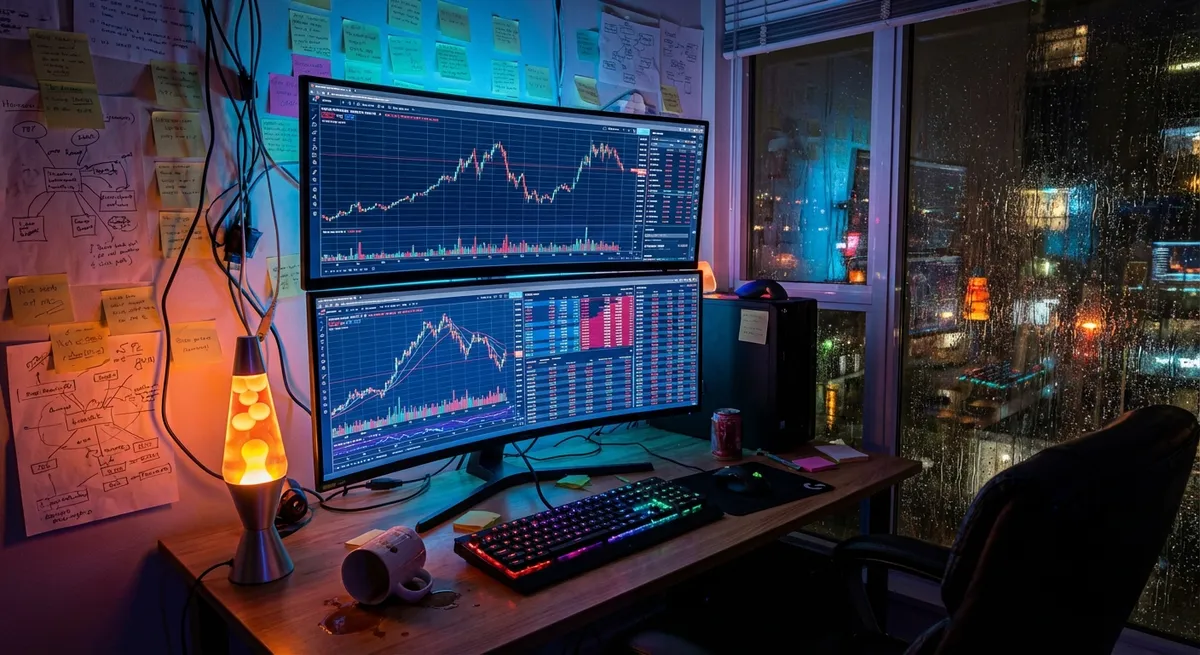
Tab‑hopping is officially out. Traders who are serious about intraday moves are building “command center” dashboards that stack everything on one screen: calendar, news feed, liquidity zones, and live positions.
The tools driving this shift are:
- Customizable workspaces that embed news, heatmaps, and order books side by side
- Broker integrations that let you execute directly from your analysis screen
- Cross‑asset views so FX traders can track indices, yields, and commodities in context
Instead of reacting to a move after it hits the chart, traders are spotting catalysts as they develop—watching a central bank headline drop, spreads widen, and price respond in real time.
On social, these setups are going viral because they look like cockpit views. Screenshots of clean, efficient dashboards are getting bookmarked as traders chase that “pro desk” aesthetic while actually using the layouts to speed up decisions.
3. Real‑Time Macro Feeds: From Lagging News to Live Narrative
The old move was waiting for a post‑event write‑up. The new edge is living inside the macro story as it unfolds.
Traders are plugging into tools that deliver:
- Economic calendar alerts with actual vs. forecast vs. prior, the second they drop
- Live commentary during central bank pressers—translated into plain English
- Macro dashboards that track inflation, rates expectations, and yield curves in one place
Instead of praying they’re on the right side of an NFP print or CPI surprise, traders are front‑loading the narrative: what markets expect, what’s already priced in, and what would truly shock the tape.
On socials, you’ll see this as annotated screenshots of “macro dashboards” before and after key data releases. The traders who can link a rate surprise to a currency spike—and show the data to back it up—are the ones getting reposted in serious trading circles.
4. Sentiment & Flow Tools: Trading the Crowd, Not Just the Candle
Charts show price. Flow tools show pressure. Sentiment and positioning tools are having a moment because they let traders see where the crowd is leaning—and where the pain points might be.
The hottest tools in this lane are surfacing:
- Retail positioning (long/short ratios) that hint at squeeze potential
- Options data and risk reversals that reveal where big money is hedging
- News and social sentiment scores that track whether a narrative is cooling or heating up
The play isn’t “follow the crowd blindly.” It’s spotting when retail is trapped, when options dealers are offside, or when sentiment is stretched and due for a snapback. That’s the kind of context that turns a random wick into a tradable opportunity.
These screenshots are super shareable: heatmaps of positioning, sentiment gauges flipping from fear to greed, and flow charts lined up against major FX pairs. Traders love posting, “Everyone’s long, but price is… not—watch this,” and then letting the chart speak for itself.
5. Execution Tech: From Click‑Trading to Precision Entries
A lot of traders focus on analysis tools and ignore the unsexy part: execution. But the shift in 2026 is clear—better execution tools are becoming a quiet superpower.
The upgrades that are making a difference:
- One‑click or hotkey trading with pre‑defined risk per trade
- Advanced order types (OCO, partial closes, dynamic trailing stops) built into the platform
- Slippage and spread analytics so traders can see how much “friction” they’re really paying
Instead of “I meant to enter there,” traders are finally matching their plans to their fills. That means tighter stops, cleaner R:R, and fewer emotional re‑entries because of sloppy execution.
On social media, this shows up as trade recaps with exact fill logs, risk percentages, and execution stats. The flex isn’t just “I caught 60 pips”—it’s “I risked 0.5%, got 3R, no slippage, and my toolset did exactly what I told it to.”
Conclusion
The trading tools getting real love right now all have one thing in common: they compress time. Less time redrawing the same levels. Less time digging for data. Less time fumbling execution.
AI‑augmented charts, pro‑style dashboards, real‑time macro feeds, sentiment and flow intel, and precision execution tech aren’t just trends—they’re becoming the baseline for traders who want to keep up with a faster, more crowded market.
If your current setup is just a basic chart and a news tab, you’re not “behind”—you’re just sitting on a massive upgrade opportunity. Start by improving one layer—analysis, macro context, sentiment, or execution—and build from there. The traders whose tools match their ambition are the ones whose screenshots everyone else ends up saving.
Sources
- TradingView – Features Overview – Details on modern charting, alerts, and multi‑screen workspace tools popular with active traders
- MetaTrader 5 – Official Site – Platform features including advanced order types, execution tools, and multi‑asset support
- Investopedia – Forex Market Overview – Background on how the FX market works and what drives currency moves
- Federal Reserve – Monetary Policy – Official source for macro and policy information that underpins many forex news and data tools
- Bank for International Settlements – Triennial FX Survey – Research on global FX trading volumes and structure, useful context for understanding liquidity and flow tools
Key Takeaway
The most important thing to remember from this article is that this information can change how you think about Trading Tools.